
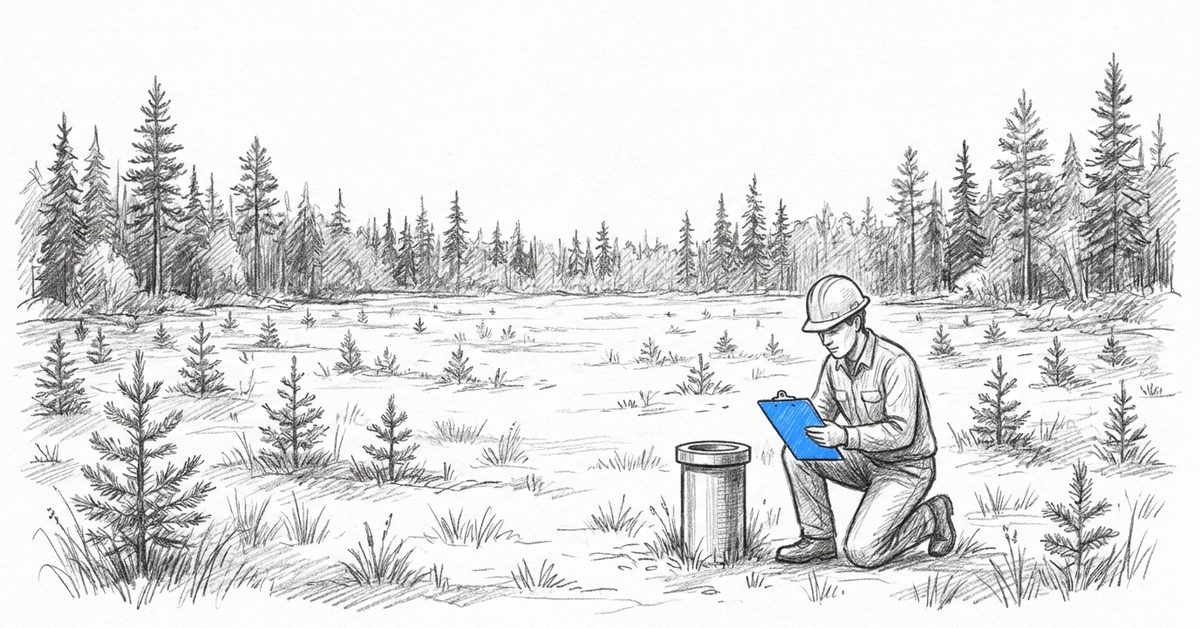
In June 2026 the BCER replaced its Site Remediation and Reclamation Manual with version 1.8, now the Site Remediation and Restoration Manual. What changed for spills, groundwater, dormant pipelines and drilling waste, what goes in the new Site Summary Report, and how the new reclamation declaration closes the DSR restoration stage gate.

How Do You Plan and Track Your AER Mandatory Closure Spend for 2027?
The 2027 industry closure quota is $750 million, and your share of it was fixed by the 17 September 2026 snapshot. Knowing the number is the easy part. This is how the AER mandatory closure spend is calculated, what actually counts toward it, what the July 2026 rule changes mean, and how to prove the spend without rebuilding the year from invoices in March.
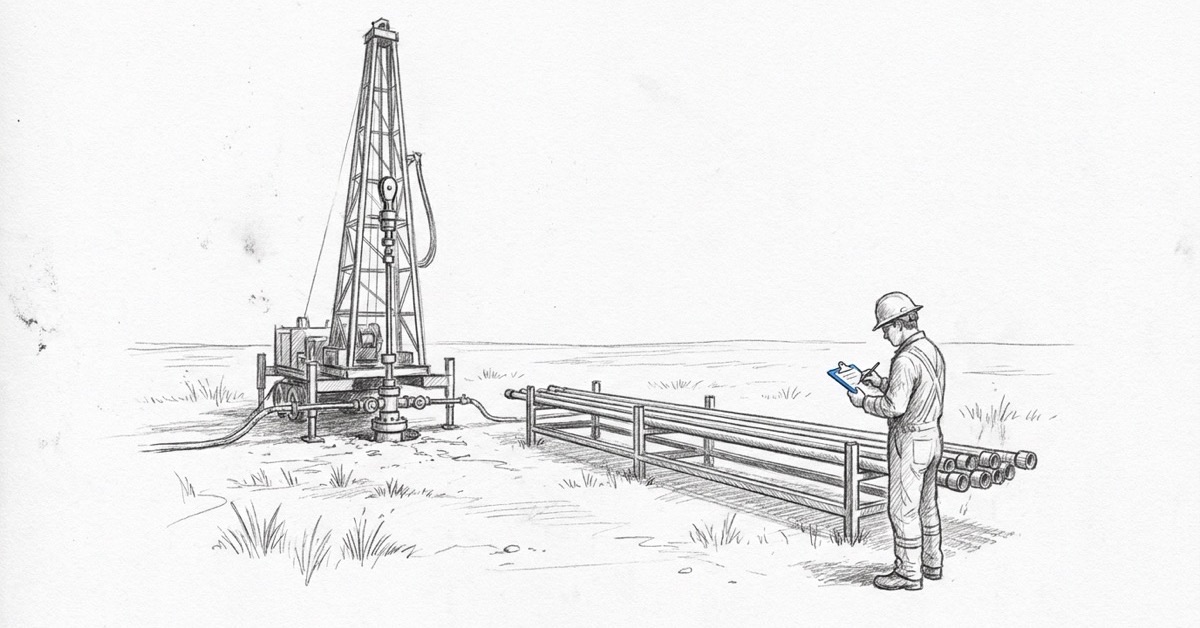
What Changed in AER Directive 011, and What Moves Your Estimated Liability?
The 31 August 2026 edition of AER Directive 011 changed no cost values. It changed who answers for the number. Here is what the new edition says, how the AER builds a well’s estimated liability, and the records that move it: well scenarios, cementing data, multiwell pads, abandonment reports and CARL.
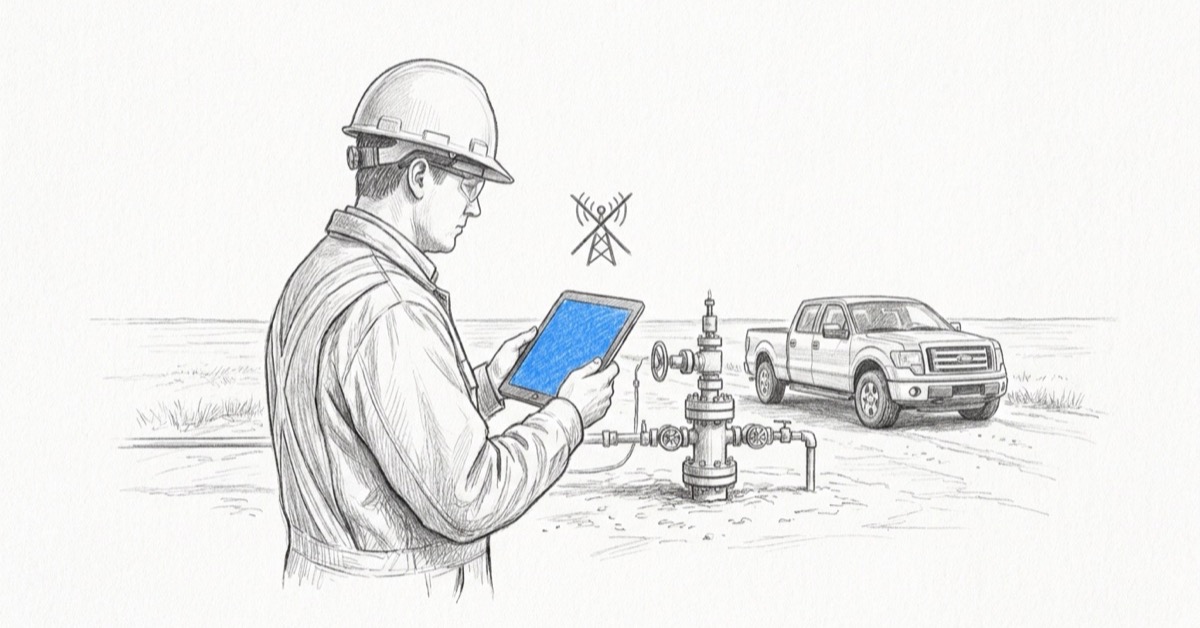
How Does Offline Field Data Capture Work at Remote Well Sites?
Every field app promises to work with no signal. What decides whether a well site record survives the trip is what happens before you leave and after you sync. Here is how offline field data capture works on a Fieldshare project, where it fails, and the limits to ask about before you buy.
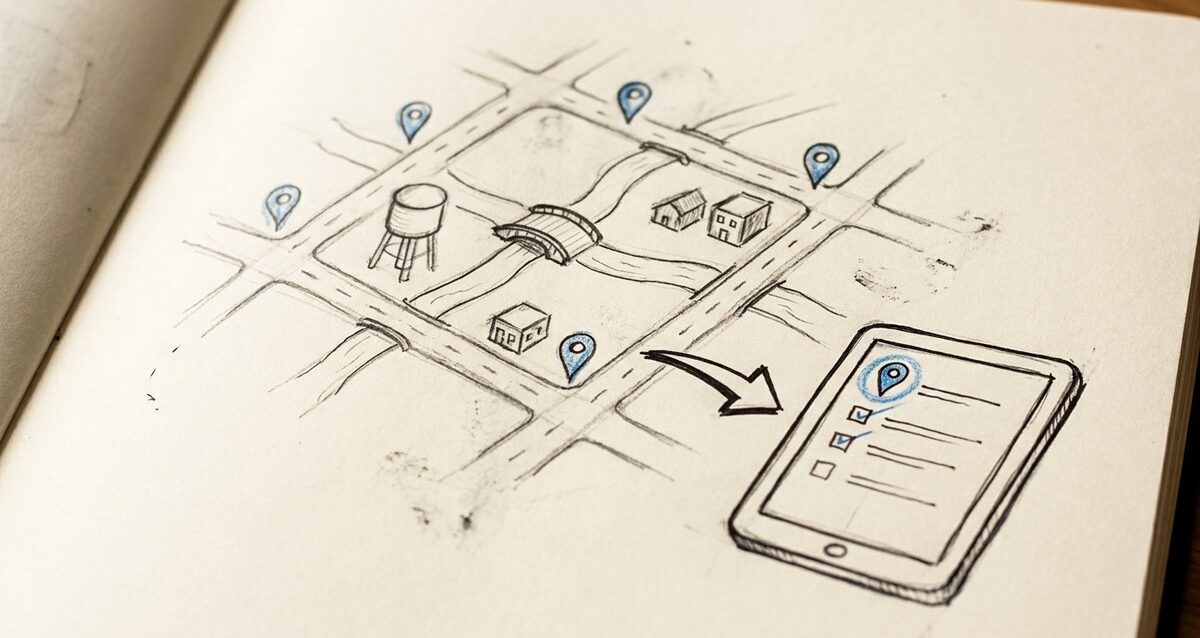
Municipal Asset Management Software: A Practical Guide for Small and Mid-Size Canadian Cities
Small Canadian municipalities get sold enterprise asset management systems built for big cities with IT departments. This guide covers what municipal asset management software actually needs to do, how to right-size it for a small public works team, and how the data ties to funding and asset management plans.

Asset Retirement Obligation Software: A Canadian Operator’s Guide
Most software branded for asset retirement obligations is accounting software that reports the number. Canadian operators have a harder problem: keeping the number trustworthy as field conditions change across hundreds of aging sites. This guide covers what ARO software does, how it differs from accounting subledgers, what the April 2026 AER Directive 088 update changes, and what to evaluate before you buy.
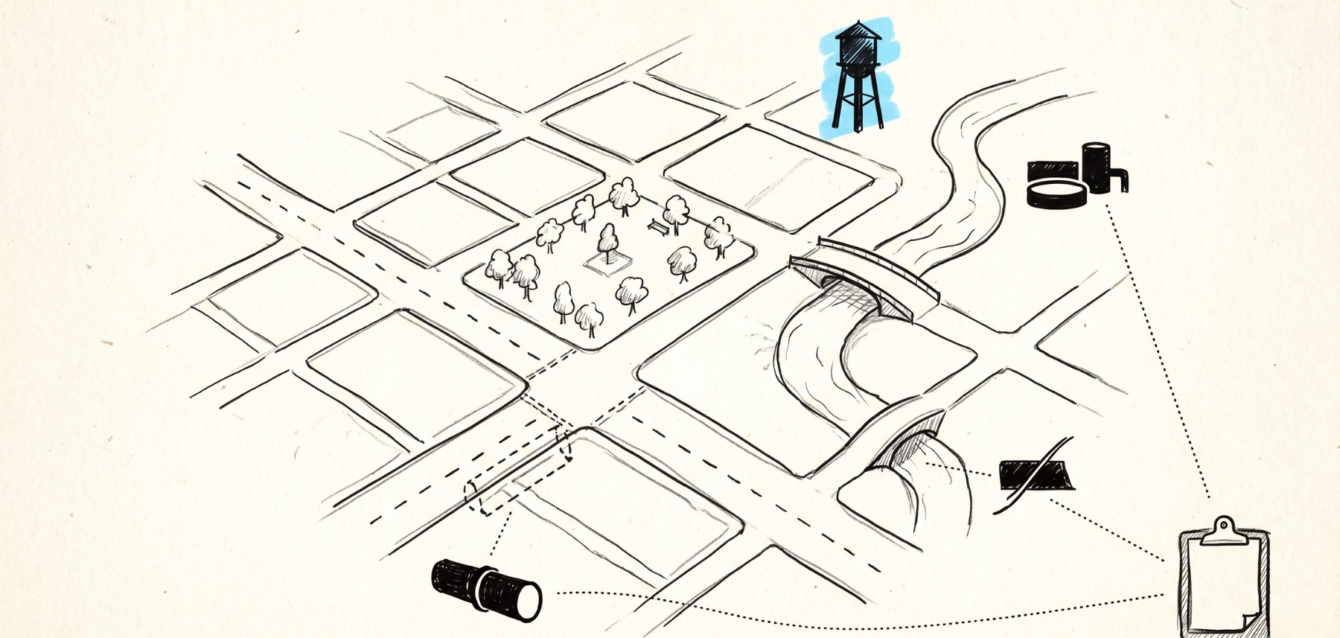
Ontario Regulation 588/17: A Practical Asset Management Plan Guide for Canadian Municipalities
Ontario Regulation 588/17 requires every municipality in the province to publish a detailed asset management plan, tied to levels of service and a long-term financial strategy. This is the practical 2026 guide to what the regulation actually requires, where most small municipalities are falling short, and what a software-backed AMP looks like.
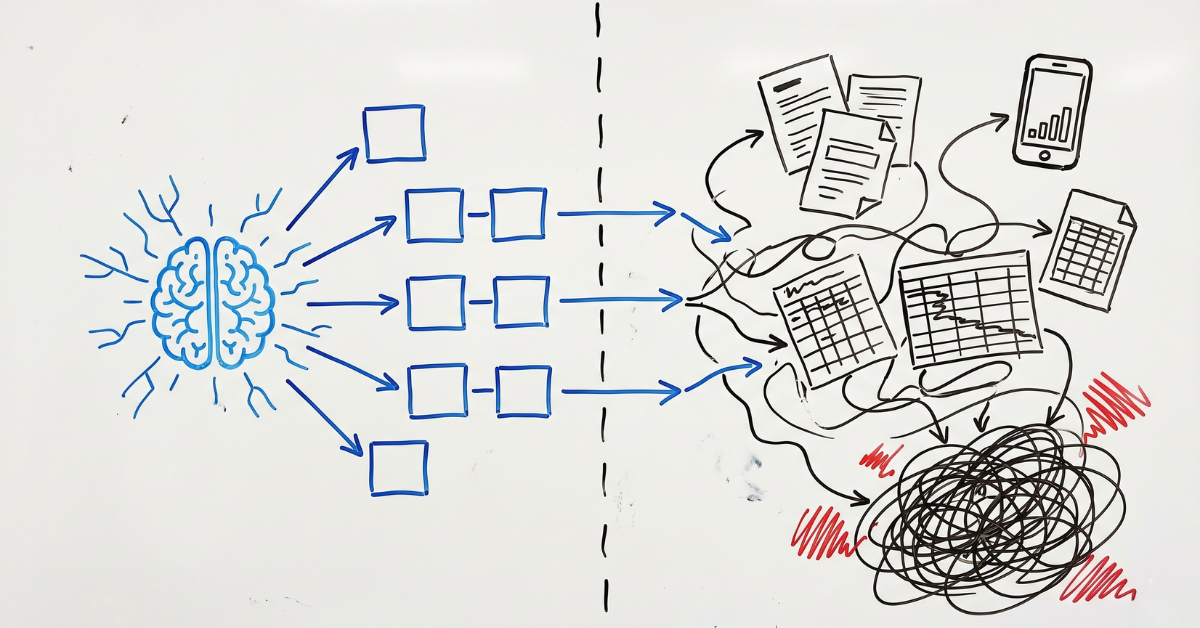
Why AI Won’t Fix Your Field Data Problems (And What Will)
The AI pitch is everywhere in oil and gas. The track record is not. Most AI projects in the industry fail not because the technology is bad, but because the field data and workflows feeding it are broken. Fixing the foundation is not the boring part. It is the whole job.
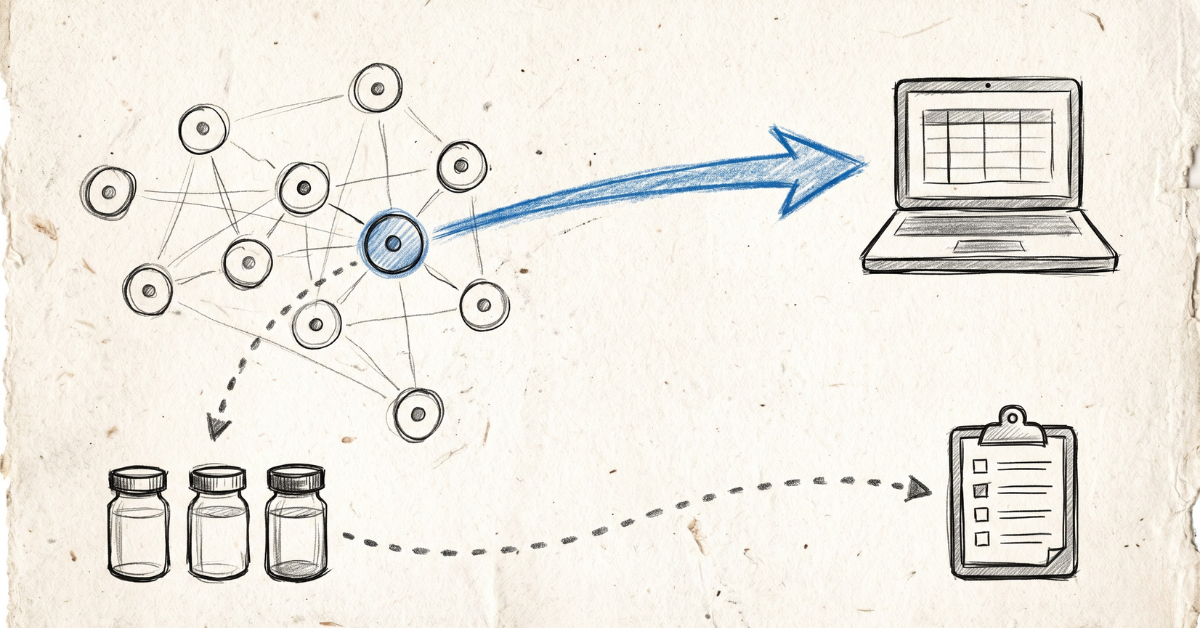
Environmental Data Management Software for Consultants
Generic project management tools were not built for environmental fieldwork. Sample tracking, site assessment reporting, and provincial regulatory compliance require software designed for how consultants actually collect and use data. This guide covers where generic tools fall short, what purpose-built software does differently, and what to evaluate when comparing options.

Oil and Gas Data Management Software: What to Look For in 2026
Enterprise platforms promise everything and deliver complexity. Purpose-built software solves the actual problems mid-size Canadian operators face. This guide covers what features matter in oil and gas data management software and how to choose the right fit for your operation.