
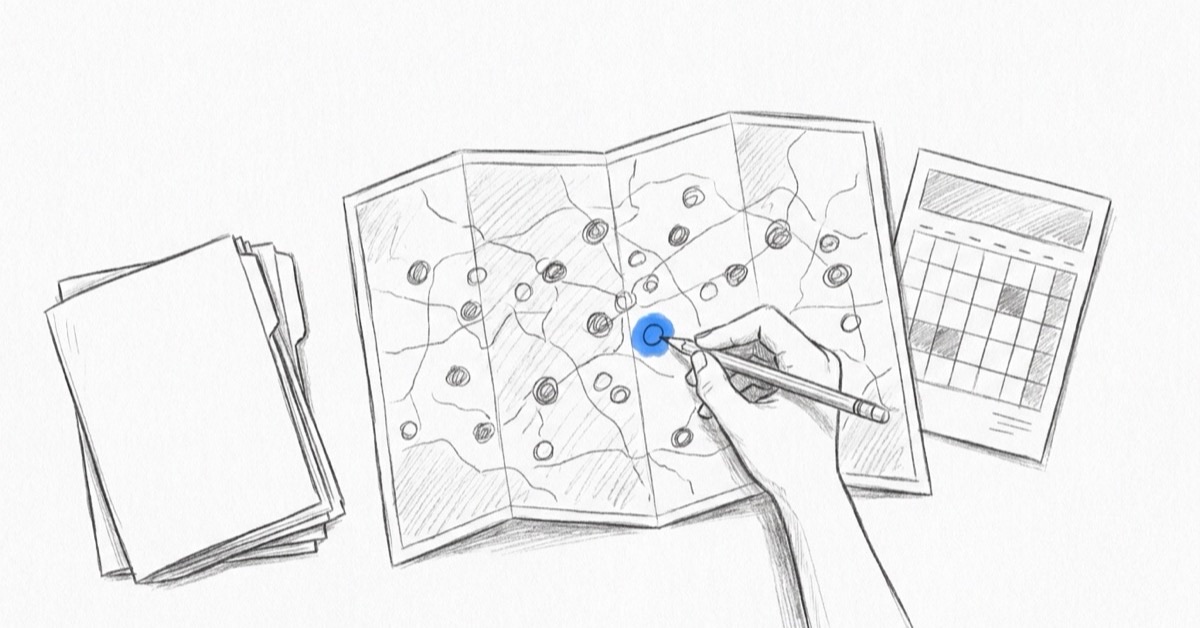
The 2027 industry closure quota is $750 million, and your share of it was fixed by the 17 September 2026 snapshot. Knowing the number is the easy part. This is how the AER mandatory closure spend is calculated, what actually counts toward it, what the July 2026 rule changes mean, and how to prove the spend without rebuilding the year from invoices in March.
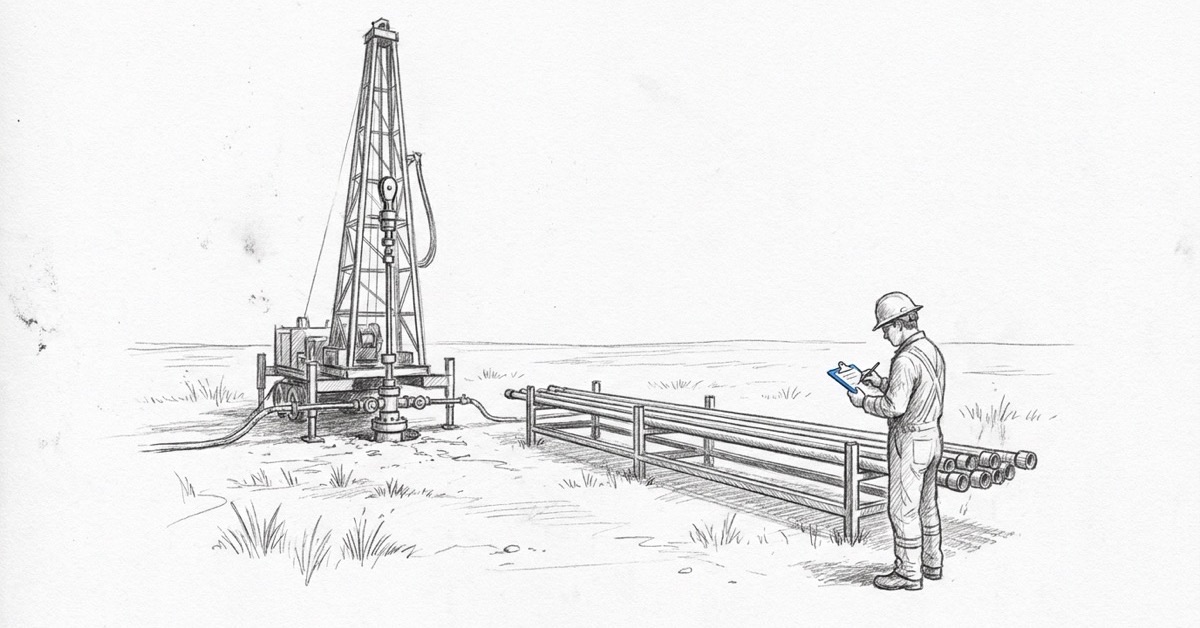
What Changed in AER Directive 011, and What Moves Your Estimated Liability?
The 31 August 2026 edition of AER Directive 011 changed no cost values. It changed who answers for the number. Here is what the new edition says, how the AER builds a well’s estimated liability, and the records that move it: well scenarios, cementing data, multiwell pads, abandonment reports and CARL.

Asset Retirement Obligation Software: A Canadian Operator’s Guide
Most software branded for asset retirement obligations is accounting software that reports the number. Canadian operators have a harder problem: keeping the number trustworthy as field conditions change across hundreds of aging sites. This guide covers what ARO software does, how it differs from accounting subledgers, what the April 2026 AER Directive 088 update changes, and what to evaluate before you buy.

Oil and Gas Forecasting Software: ARO, Production, and Budget Planning
Canadian operators need to forecast ARO liabilities, production decline, and maintenance budgets in a single system. When those three live in separate spreadsheets, the gaps between them become compliance risk under Directive 088 and financial exposure that grows with every well.

AER Liability Tracker: What It Is and Why Every Operator Needs One
Every well site eventually reaches end of life. Choosing the right system for reclamation tracking is a compliance, risk management, and financial decision. This guide walks through what to look for.