What Changed in AER Directive 011, and What Moves Your Estimated Liability?
Most summaries of Directive 011 you will find online describe the 2024 cost update or the August 2025 edition. The edition in force today was released on 31 August 2026, took effect the same day, and did not change a single dollar value.
It changed who answers for the number. The directive’s own list of changes says a new appendix was added so licensees understand the OneStop liability assessment report, and that “it is the licensee’s responsibility to ensure that the report is correct and up to date.” That report is built from records: licence statuses, the completion scenario on each well, whether a pad is registered as a pad, whether a vent flow record is still open.
At a Glance
- Directive 011 sets how the AER estimates the cost to close every well, facility and pipeline, and where that estimate is used: closure quotas, licensee assessments, security deposits and the orphan fund levy
- The 31 August 2026 edition changed no cost values. It added appendix 4 on the OneStop liability assessment report and put the job of keeping that report correct on the licensee
- A regional well estimate is a base abandonment cost set by area, accessible depth and wellbore equipment, plus add-ons for open problems, plus a flat reclamation cost for the region
- Several reductions only happen when you file something: an Adjustment to Well Scenario declaration, missing cementing data, a multiwell pad notification, an abandonment report or a CARL request
- The AER reassesses daily and uses the current value whenever a decision or levy runs. Review the report before transfers, before the orphan fund levy date and after field work
What Is AER Directive 011?
AER Directive 011: Estimated Liability is the Alberta Energy Regulator’s rulebook for estimating what it will cost to close each well, facility and pipeline, from suspension and abandonment through remediation and reclamation. It sets the regional cost tables, says when a site-specific assessment replaces them, explains how estimates change, and lists the decisions they feed.
The directive calls the figure estimated liability. If you learned the system under the old Licensee Liability Rating program, you knew it as deemed liability. It is assigned the day a licence is issued, grows as infrastructure is built, and falls through closure until a reclamation certificate takes it to zero.
The AER sorts it into three groups. Inactive liability covers inactive wells and facilities plus those already abandoned. Active liability is everything else, and marginal liability is the part of it attached to wells producing 1.59 cubic metres of oil equivalent a day or less.
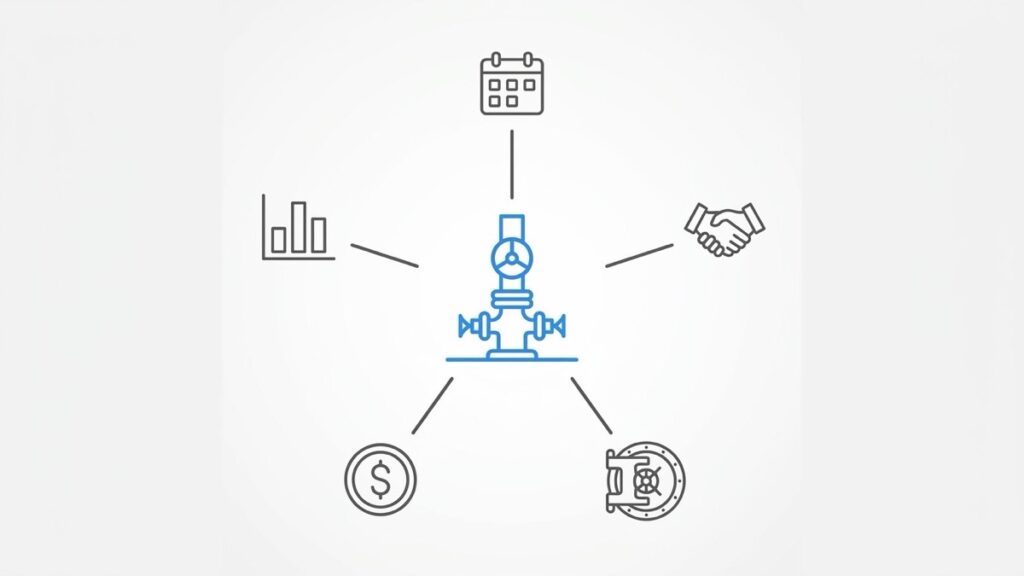
The same estimate feeds five things: the holistic licensee assessment and transfer decisions under Directive 088, your share of the AER mandatory closure spend, security deposits under Directive 068, the orphan fund levy, and the AER’s public liability reporting. An error in one record flows into all five.
What Changed in the August 2026 Edition of Directive 011?
The 31 August 2026 edition, released with Bulletin 2026-35, made six administrative changes and clarifications and changed no cost values. The one with consequences is appendix 4, which explains the OneStop liability assessment report so licensees know it exists, what it shows, and that keeping it correct is their job.
Section | What changed | What it means for you |
|---|---|---|
3 | A facility with an EPEA approval is inactive after six months with no activity. Other facilities stay at 12 months | Not a new rule: it aligns the directive with existing requirements. Check EPEA-approved facilities against the six-month mark |
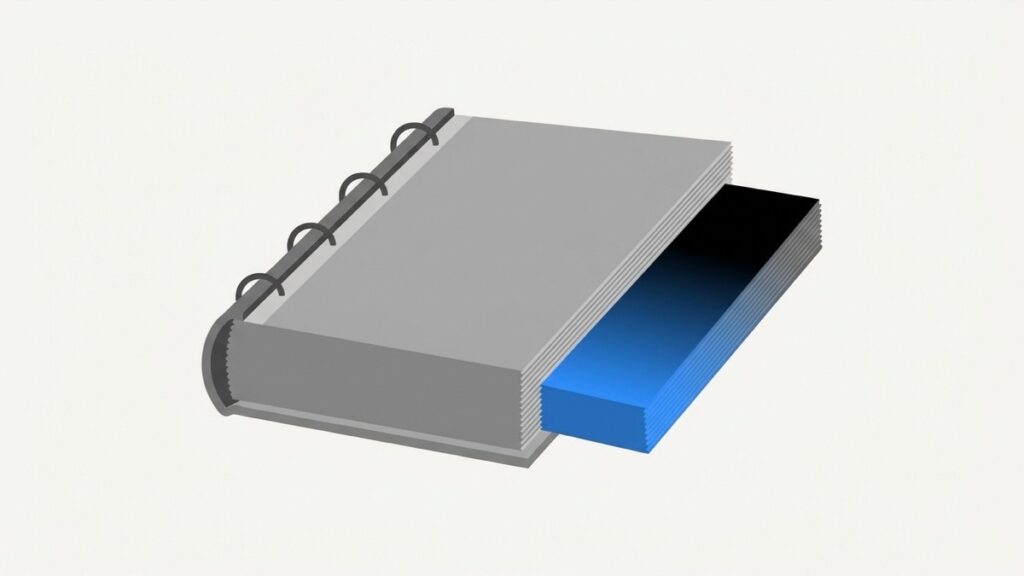
4 and appendix 4 | The OneStop liability assessment report is explained step by step, with the licensee responsible for its accuracy | Maintain the report as your own record, and check it as one |
5.1.1 | Depth means the deepest part of the wellbore still accessible from surface that needs abandonment work, such as a plug-back depth | The depth band follows the accessible wellbore, not necessarily the total depth drilled |
6.1 | The AER must acknowledge a site-specific liability assessment before you submit a new or amendment application that needs one | Build the SSLA and its acknowledgement into the application timeline |
8.1.3 | Licensees are expected to review their estimates in the report before any applicable regulatory decision | Review it before any transfer or application |
9 | The orphan fund section is reorganized around its two levies, the annual orphan fund levy and the large facility levy | No new levy, clearer on which one applies |
What did not change
The cost values carried over unchanged. The regional well abandonment costs still date from the 26 June 2024 update, built on closure spending reported by industry and the Orphan Well Association. The AER will not change a regional cost because one licensee can close wells for less; the directive tells you to report that spend under Directive 088 so it can inform future updates. It also admits that some licences “will inevitably have costs that are different than the estimate,” which is why deemed liability rarely matches what the work actually costs at any single site. Most operators keep their own estimate beside the AER’s, whether in a spreadsheet or in asset retirement obligation software.
How Does the AER Calculate Estimated Liability for a Well?
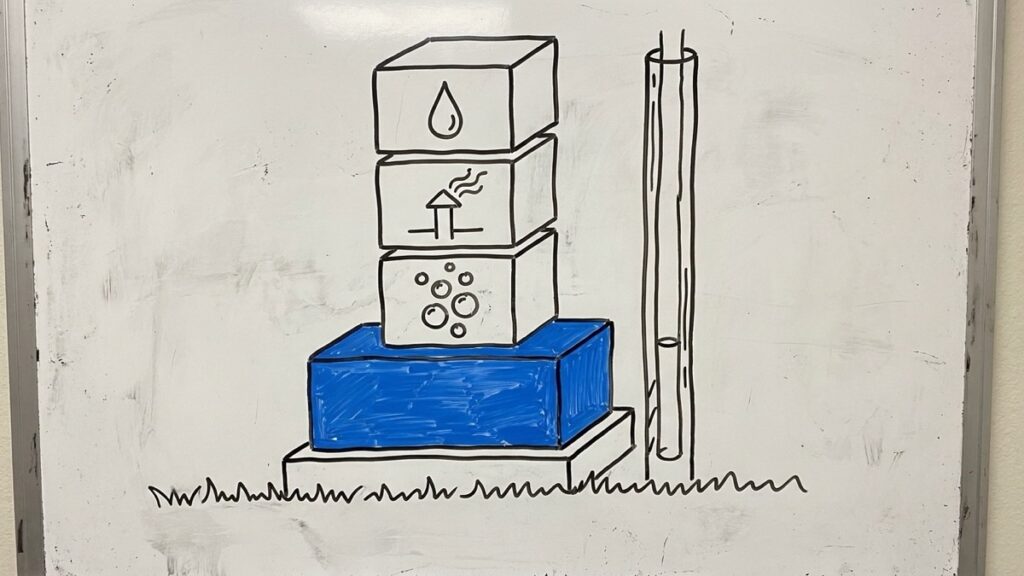
Most wells use regional costs. The abandonment estimate is a base cost set by the well’s abandonment area, its accessible depth and what is in the wellbore, plus fixed add-ons for open problems. Reclamation is a flat cost for the well’s reclamation region. Together the two stand for every stage of closure.
The base abandonment cost
Table 1 of the directive sets the base by six abandonment areas, depth bands and four completion scenarios. The AER infers the scenario from fluid type and status rather than from what is physically in the hole: a crude oil pumping well is assessed as tubing and rods, a flowing gas well as tubing only, and a suspended well on its last reported operational status.
Calgary/Edmonton area, 1,200 to 1,999 m | Base abandonment cost |
|---|---|
Empty, not perforated | $13,300 |
Empty, perforated | $32,925 |
Tubing only | $45,966 |
Tubing and rods | $59,798 |
The spread is wider elsewhere. In the High Level area, a well shallower than 1,200 m carries $43,494 empty and perforated, and $239,197 with tubing and rods.
The add-ons
On top of the base, the AER adds:
- 25% of the base cost for each additional unabandoned event sequence, with exceptions for approved commingled abandonment regions and for multilateral horizontal wells completed in one stratum
- $46,288 where surface casing or primary cement does not cover the base of groundwater protection
- $157,437 for an open surface casing vent flow record
- $148,373 for an open gas migration record
An open vent flow record on the tubing and rods well above costs more than two and a half times its base. If that well sits in the Parklands reclamation area ($27,250), it carries $244,485 in total.
Reclamation, facilities and pipelines
Reclamation is a flat cost per well across seven regions, from $16,500 in Grasslands Area East to $42,125 in the Alpine Area. Facilities on regional costs are converted to well equivalents by category and highest licensed design capacity, at $17,000 per well equivalent for abandonment plus the regional reclamation cost for each. Pipelines carry no regional estimate unless an SSLA is required, though the AER says it is assessing whether to assign one in future.
Which Records Move Your Estimated Liability?
Most reductions are not automatic. The AER prices each well from what its own systems hold, so the number moves when a record moves: an Adjustment to Well Scenario submission, missing cementing data, a multiwell pad notification, an abandonment report, a CARL request, or a vent flow or gas migration record being closed.
Record | What the AER needs | What it changes |
|---|---|---|
Wellbore equipment | Adjustment to Well Scenario file plus a signed declaration | The base abandonment scenario |
Primary cementing | Groundwater Protection Missing Information form in OneStop | Removes the $46,288 add-on |
Shared surface lease | Multiwell pad notification in DDS | Reclamation at 100% for the first well, 10% for each other |
Completed abandonment | Licence status of abandoned; facility report within 30 days; wells under Directive 020 | Removes the abandonment component |
Reclamation done except revegetation | CARL request in OneStop | $5,000 or $9,000 for up to five years |
Vent flow or gas migration | Record closed under Directive 020 | Removes $157,437 or $148,373 |
Licence status | Accurate status records, requirement 21 | Which liability group the site sits in |
Every row in that table starts with a record you probably already hold: a field ticket, a cement report, a lease plan. The estimate only moves once that record reaches the AER.
The well scenario
Pull the tubing and rods and the well changes that day. Its estimate does not. To move a well to a lower scenario, the licensee emails the AER a data file listing tubing and artificial lift well by well, with a declaration signed by a senior corporate officer, such as the CEO, COO, CFO or president, and solemnly declared before a commissioner for oaths. The submission instructions say the estimate updates once a complete submission arrives. If tubing or artificial lift goes back into a listed well, the declaration commits you to resubmitting within 30 days. SAGD wells stay in the tubing and rods category regardless.
In practice, someone has to know what is in each hole, well by well, and a senior officer has to be willing to put a declaration behind it.
Groundwater protection
The $46,288 groundwater protection cost applies when the AER’s data shows surface casing or primary cement falling short of the base of groundwater protection. If the cementing information exists but never reached the AER, submit it through the Groundwater Protection Missing Information form in OneStop, and the AER removes the cost if the data supports it. The AER also lists the well licences affected by its March 2025 base of groundwater protection updates on the Directive 011 page, which is worth checking against your own well files.
Multiwell pads
Wells sharing one surface lease can be registered as a multiwell pad, provided the same licensee holds every well licence and the lease. The first well carries the full regional reclamation cost and each additional well 10% of it. Six wells on one Parklands pad come to $163,500 of reclamation liability assessed one by one, or $40,875 as a pad. The reduction needs a multiwell pad notification through the Multi-Licence Pad subsystem of the AER’s Digital Data Submission system.
Abandonment, reclamation and open problems
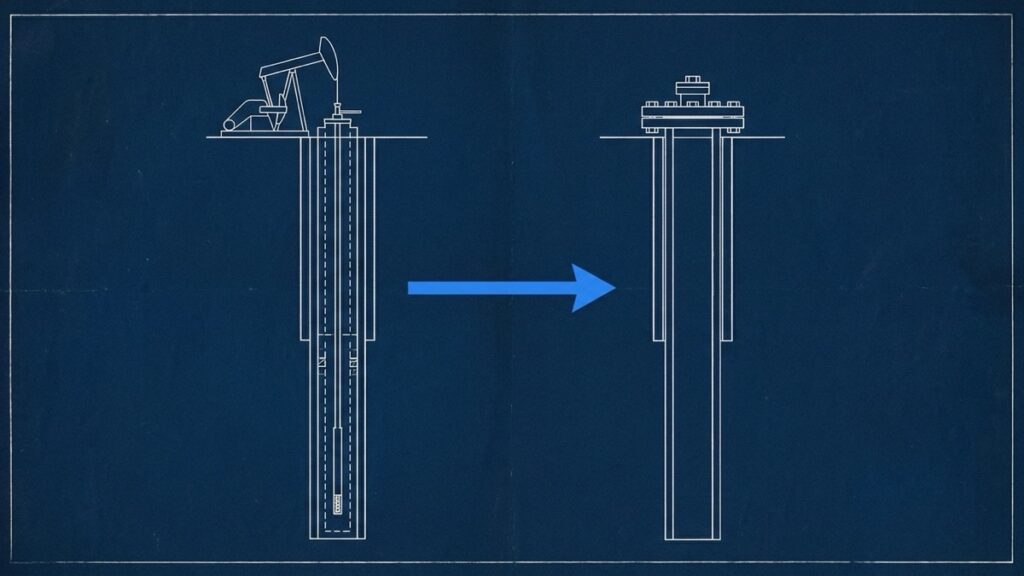
A well drops its abandonment component once its licence status reads abandoned, and facility abandonments must be reported within 30 days of the work. Where abandonment, remediation and reclamation are done and only revegetation remains, the Conditional Adjustment of Reclamation Liability (CARL) program lets you request, through OneStop, a temporary reclamation estimate of $5,000 on cultivated land or $9,000 elsewhere. It lasts five years or until the reclamation certificate is issued, with a single two-year extension available if you apply in time with a detailed site assessment. Miss the deadline and the full amount comes back, and the licence loses CARL eligibility for good. Sites with an EPEA approval or an SSLA cannot use it.
When Does a Site Need a Site-Specific Liability Assessment?
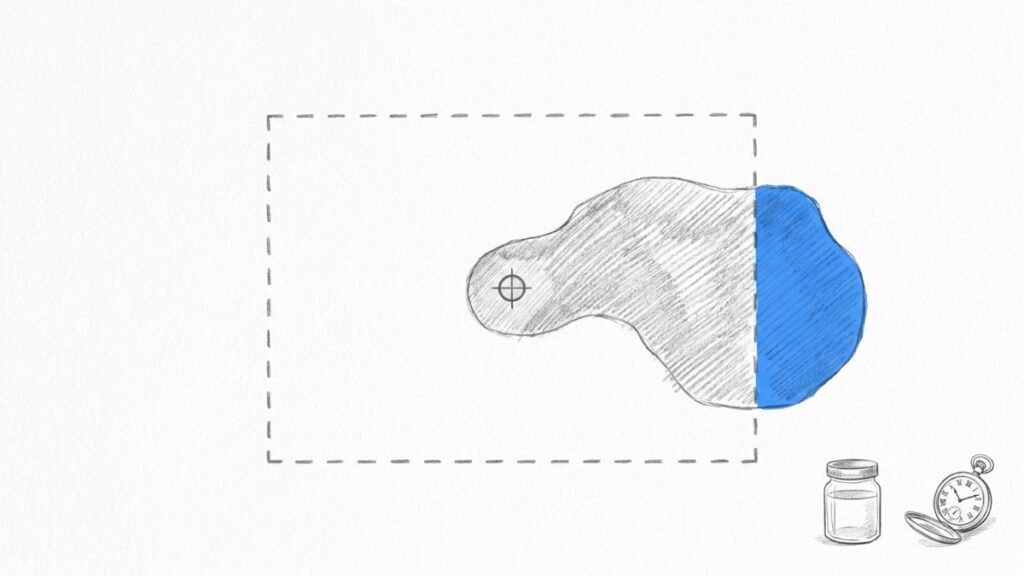
A site-specific liability assessment (SSLA) replaces regional costs when appendix 1 lists the licence type as SSLA, when the AER directs one, or when site conditions show liability is significantly higher than the regional value. In that last case you notify ssla@aer.ca within 30 days and submit the SSLA within 90.
The field findings that trigger one
The triggers are field findings: remediation expected to run ten years or more, a formal risk management plan, non-aqueous phase liquid identified or likely, any off-lease contamination, soil above Alberta Tier 1 guidelines with significant remedial cost, or a pipeline release that needs a remedial action plan. The requirement runs from when you are, or ought to be, aware of the condition. For most of these conditions, that is the day a site assessment reports the finding.
Keeping an SSLA current
The SSLA itself is prepared under Directive 001. Once a site is on one, it needs an update every five years, and within 90 days of a cumulative increase of $2 million or 20%. Transfers need a recent one: within a year of the assessment date for large facilities and oilfield landfills, three years for everything else. To go back to regional costs, you send the AER a request with an SSLA showing the liability now matches the regional values.
How Do You Check Your OneStop Liability Assessment Report?
Sign in to OneStop, open Reports, filter by Liability Management Framework and select Liability Assessment Report. Use the detailed view, which breaks each licence’s estimate into its parts. The AER reassesses daily and uses whatever the report shows when it makes a decision, so the time to check is before one.
What to check, licence by licence
Check it against your own records:
- Licence status. Every well, facility and pipeline. Requirement 21 makes accurate status records the licensee’s obligation.
- Completion scenario. Compare it with what your field records say is in the wellbore. Pulled tubing or removed artificial lift only counts once declared.
- Groundwater protection. Check each add-on against your cementing records.
- Vent flow and gas migration. Look for add-ons still sitting on wells where the repair is done and reported.
- Pads. Look for wells on a shared lease that are still assessed one at a time.
- Closure progress. Abandonments, CARL adjustments and reclamation certificates that should already show.
- SSLA sites. Assessment dates against the five-year clock, and any finding since that could trigger an update.
When to check it
If time is short, start with the detailed view for the inactive sites carrying the largest estimates. Those set your share of the closure quota, and an open vent flow record alone adds $157,437 to one of them.
The timing matters too: before any transfer or application, since the directive expects the review to come first; before the orphan fund levy is calculated, typically at the end of March, because an error raised after the invoices go out may not be adjusted; and before the inactive liability snapshot for closure quotas, which Bulletin 2026-33 set at 17 September 2026 for the 2027 quota. Questions about the report go to LiabilityManagement@aer.ca, access problems to Inquiries@aer.ca.
Keeping your side of the record
Checking the report means comparing the AER’s record with yours, so it only works if yours is complete. Outside a single system, that side is usually spread across well files, spreadsheets and consultants’ reports. Fieldshare links each closure project to its public asset record, so UWIs, licence numbers and surface locations stay in sync with live data, and keeps your own estimates, closure activities and field records against the same site. Crews record what they find with offline field data capture, including at sites with no signal. That site-by-site record is what an AER liability tracker runs on, and it is what Fieldshare’s oil and gas asset management software is built around.
Want the liability report and your field records to tell the same story? See how FieldAssets ARO links every closure project to its licence, or book a demo.
Frequently Asked Questions
No. The 31 August 2026 edition made administrative changes and clarifications only, and the regional well abandonment costs still come from the 26 June 2024 update. The change that matters is appendix 4, which makes the accuracy of the OneStop liability assessment report the licensee’s responsibility.
Directive 011 sets how estimated liability is determined, changed and used, including when a site-specific liability assessment replaces regional costs. Directive 001, Requirements for Site-Specific Liability Assessments, sets how to complete and submit that assessment. If Directive 011 says a site needs an SSLA, Directive 001 tells you how to prepare it.
Directive 088, Licensee Life-Cycle Management, holds the holistic licensee assessment, licence transfer decisions and closure quotas. Directive 011 supplies the estimated liability those processes use. It also tells you to report actual closure spend under Directive 088, which is the data the AER uses for future cost updates.
In the OneStop liability assessment report, under Reports, filtered by Liability Management Framework. It shows current, historic and program-specific estimates, your licence inventory and statuses, and a detailed calculation for each licence. You can only see licences your company holds.