introductionEnvironmental Data Tracking: How Software Simplifies Reporting for Field Teams
Every environmental consultant knows the routine. You return from a field assessment with handwritten notes, photos stored across three devices, and sample results that will not arrive for another week. Now you need to compile everything into a coherent report before the regulatory deadline.
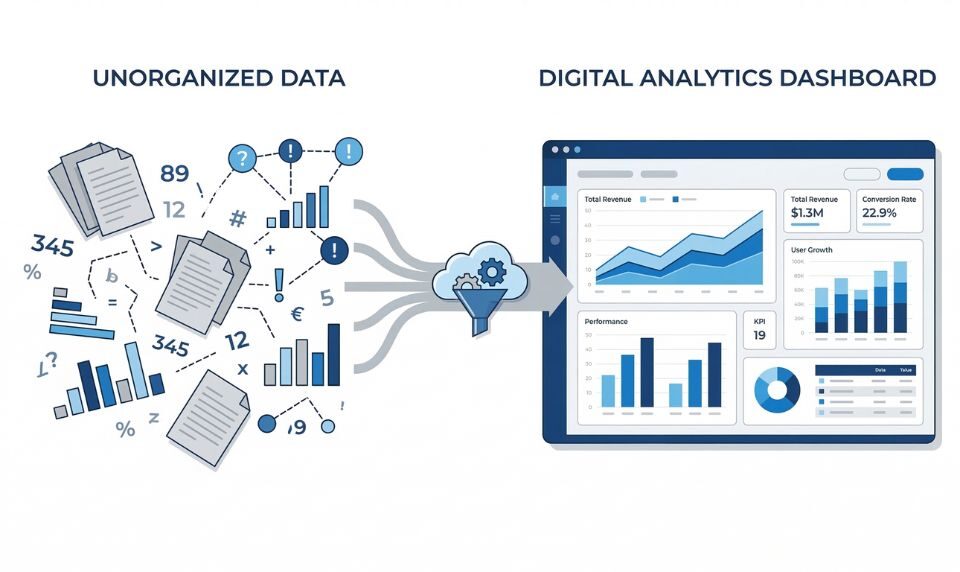
Environmental data tracking software exists to solve this exact problem. When field observations, lab results, and compliance documentation live in one system, reporting transforms from a scramble into a straightforward process.
Canada’s environmental consulting industry generates roughly $5 billion in annual revenue. That market is growing because regulatory requirements keep expanding. The CCME Canadian Environmental Quality Guidelines now cover soil, water, sediment, groundwater, and tissue quality across dozens of parameters. Provincial frameworks like Alberta’s EPEA and BC’s Environmental Management Act add their own documentation layers. And the federal government has identified over 24,000 contaminated sites requiring assessment or remediation under the Federal Contaminated Sites Action Plan, with $7.18 billion in funding committed since 2005.
The data management burden on consultants is substantial and growing. This guide covers why environmental data tracking has become so complex, where fragmented systems fail, and what purpose-built software actually does differently.
Why Environmental Data Tracking Has Become More Challenging
Environmental consulting has always involved managing diverse data types. Soil samples, water quality readings, air monitoring results, and site observations all need to flow into reports and regulatory submissions. But several factors have made tracking this data harder than ever.
Regulatory documentation requirements keep expanding. Provincial and federal regulators increasingly require not just final results, but complete audit trails showing how data was collected, who handled it, and when it was recorded. Chain of custody documentation under the Canadian Environmental Protection Act mandates that every sample includes collector information, sampling conditions, date and time, and a receiver signature before lab analysis can begin. This is one layer of documentation among many.
Phase I and Phase II environmental site assessments follow national standards. CSA Z768 governs Phase I ESAs (historical and current use review) while CSA Z769 covers Phase II ESAs (sampling and analysis). Both standards require detailed documentation at every step. When consultants manage dozens of assessments simultaneously, the tracking burden multiplies.
Project complexity has increased. Environmental projects rarely involve single sites anymore. Consultants routinely manage portfolios spanning multiple locations, each with its own sampling schedule, regulatory framework, and reporting deadlines. Consider a remediation project tracking groundwater quality across twelve monitoring wells, with quarterly sampling over three years. That single project generates hundreds of individual data points that need to connect back to specific locations, dates, and analytical methods.
Teams are more distributed. Field staff collect data at remote locations. Lab technicians process samples at separate facilities. Project managers compile reports from office locations. When team members use different systems, or personal methods for tracking their portion of the work, information gaps emerge. The field technician’s observations may not reach the report writer until someone asks.
The Real Cost of Fragmented Data Systems
Most environmental teams piece together tracking systems from available tools. Spreadsheets handle some data. Email attachments carry others. Shared drives store documents that may or may not be current. This approach works until it does not.
Version control becomes impossible. When multiple team members update separate copies of the same spreadsheet, determining which version is authoritative requires detective work. One consultant described spending an entire morning reconciling three different versions of a sampling database before discovering a fourth version on a field laptop.
Reporting consumes a disproportionate amount of time. Compiling reports from fragmented systems means hunting through folders, cross-referencing email threads, and manually transferring data between formats. Environmental teams report spending up to 70% more time on reporting when using disconnected systems compared to centralized platforms. That is time pulled directly from billable fieldwork.
Compliance risks increase with every gap. Regulators expect complete, consistent documentation. When data lives in multiple systems, gaps appear. Missing chain of custody records, undocumented field observations, or inconsistent date formats across documents all create compliance vulnerabilities. During audits, these gaps become liabilities. The data may exist somewhere, but if you cannot produce it quickly and completely, regulators question its validity.
QA/QC failures compound across projects. Environmental data quality depends on controlling systematic errors, random errors, and documentation blunders at every stage. When collection, handling, transport, and analysis are tracked in separate systems, catching errors before they reach a final report becomes exponentially harder.
What Environmental Data Tracking Software Actually Does
Purpose-built tracking software addresses these challenges through centralization and standardization. Rather than adapting spreadsheets to environmental workflows, these systems are designed around how environmental data actually flows.
Every piece of project data feeds into a single system. Field observations, lab results, photos, and documents all connect to specific projects, sites, and sampling events. This centralization eliminates version control problems. There is one database, one source of truth. When the field technician updates a record, that update is immediately visible to everyone with project access.
Standardized data collection prevents errors at the source. Instead of letting each team member develop their own tracking methods, software enforces consistent formats. Digital forms ensure field staff capture required information, including CCME parameters, chain of custody details, and site-specific variables, in standardized formats. Data does not need reformatting or cleaning because it was captured correctly from the start.
Automated audit trails satisfy regulatory requirements without extra effort. Every action generates a log entry. Who accessed a record, when they accessed it, and what changes they made are all automatically documented. When an auditor asks who collected a specific sample and when, the answer is already recorded.
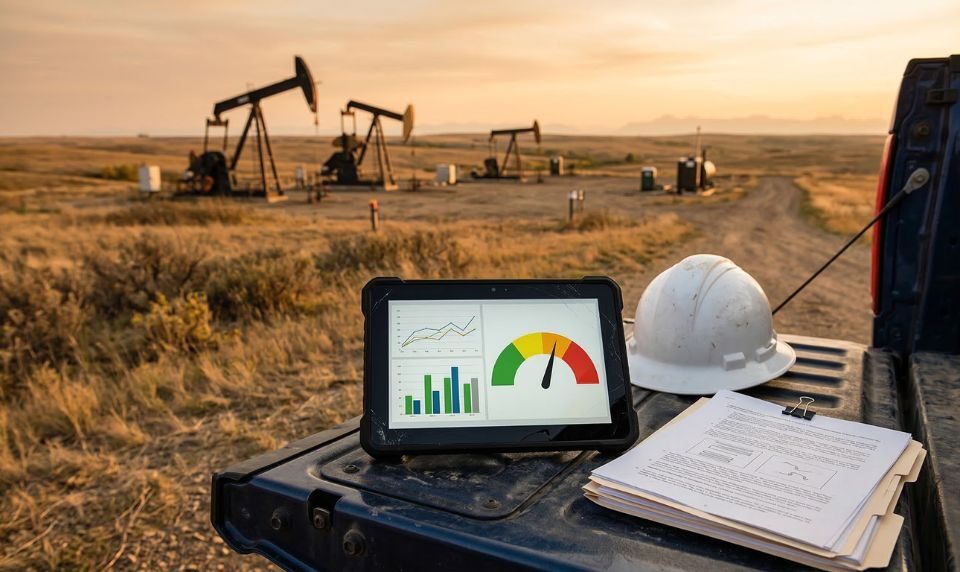
Field-to-office data flow eliminates the waiting game. Modern environmental work happens in the field as much as the office. Field staff enter observations, attach photos, and update records from tablets or phones. Offline data collection means work continues at remote sites with no connectivity. When the crew returns to a coverage area, data syncs automatically. No more waiting for field teams to drive back to the office before their data becomes available.
GIS integration connects spatial data to project records. Environmental sample locations, monitoring well coordinates, and site boundaries overlay directly on maps within the same system. This eliminates the manual process of cross-referencing GIS exports with spreadsheet data.
Features That Separate Real Solutions from Generic Tools
Not all tracking software delivers equal value. When evaluating options, focus on capabilities that address real environmental field service challenges.
Offline functionality is non-negotiable. Environmental fieldwork frequently occurs at remote sites, contaminated land, and monitoring locations without reliable internet. Software that requires constant connectivity fails exactly when you need it. Look for systems that allow full data entry offline with automatic synchronization when connection restores.
Flexible data structures accommodate diverse project types. Groundwater monitoring, soil remediation, air quality assessment, and habitat surveys all involve different data types and relationships. Effective software adapts without requiring custom development. You should be able to configure forms, fields, and relationships to match specific project requirements, whether you are tracking CCME soil quality parameters or provincial air emissions data.
Integration with lab systems reduces manual transfer. Environmental data rarely stays in one system. Lab results come from LIMS systems. GIS data informs site analysis. Financial systems track project costs. Software that integrates through standard data exports or direct connections eliminates the manual data transfer that introduces errors.
Compliance-ready reporting pulls directly from live data. The ultimate purpose of tracking data is generating reports. Software should pull data directly into report templates, apply consistent formatting, and flag gaps before submission. Teams using integrated reporting features describe reducing report preparation time by 50% or more compared to manual compilation.
Real Results from Centralized Tracking
The benefits of centralized environmental data tracking extend beyond convenience. Organizations that implement purpose-built systems report measurable improvements.
Whitecap Resources Inc., managing environmental compliance across hundreds of sites, achieved a 70% reduction in data management time after implementing centralized tracking. Their HSE Manager, Jim Gordon, describes the impact: “Fieldshare means quick data input and quick data retrieval. It gives me the tools I need to monitor everything and drive KPIs.”
The City of Medicine Hat reported a 300% productivity increase in their environmental monitoring programs after moving from spreadsheet-based tracking to purpose-built software.
These results reflect time previously spent on manual data reconciliation, version control, and report compilation. That time gets redirected to actual environmental work, which is where consultants generate revenue and deliver value.
Making the Transition Without Disrupting Active Projects
Moving from fragmented systems to centralized tracking does not require stopping operations. The most successful transitions happen incrementally.
Start with new projects. Begin using software for upcoming assessments while keeping historical records in their current location. Your team learns the system with fresh data instead of wrestling with migration and new workflows simultaneously.
Prioritize high-volume data types. Identify which data types consume the most tracking effort and address those first. For most environmental teams, field observations and sampling records represent the highest-volume data. Standardizing capture for these categories delivers immediate benefits.
Plan for connectivity realities. Any system you adopt must work offline. Remote monitoring wells, contaminated sites, and rural assessment locations frequently lack reliable internet. If the software requires constant connectivity, your field crews will abandon it within a week.
Expect a short learning curve. Teams typically reach full proficiency within two to four weeks. The adjustment period is real but short, and most crews report immediate improvements in how quickly they can complete and submit field records.
conclusionThe Bigger Picture: Data Quality as a Competitive Advantage
The oil and gas industry challenges facing Canadian operators and the growing regulatory requirements for environmental restoration tracking both point to the same conclusion: better data management is no longer optional.
Environmental data tracking has become too complex for spreadsheets and email attachments. The volume of data, the chain of custody requirements, the multi-site project complexity, and the distributed nature of modern fieldwork all demand better tools.
Consultants who build reliable tracking systems gain advantages beyond compliance. They produce reports faster, catch errors earlier, and spend more billable hours on fieldwork instead of administration. In a $5 billion Canadian market where margins matter, that efficiency translates directly to profitability.
Ready to see how centralized tracking works in practice? Request a demo to explore how Fieldshare simplifies environmental data tracking from field to final report.