introductionHow to Choose a System for Oil and Gas Site Reclamation Tracking
Every well site eventually reaches the end of its productive life. What follows is a years-long process of assessment, remediation, revegetation, and monitoring before a reclamation certificate is issued and the land is officially returned to equivalent capability. For operators managing a handful of sites, this process is complicated enough. For those managing dozens or hundreds, it becomes a serious operational and regulatory challenge.
Choosing the right system for oil and gas site reclamation tracking is not just a technology decision. It is a compliance decision, a risk management decision, and ultimately a financial one. The wrong system (or worse, no system at all) can lead to missed regulatory deadlines, lost documentation, and costly rework on sites that should have been closed out years ago.
This guide walks through what reclamation tracking involves, why common tools like spreadsheets fall short, the must-have features to look for, red flags to watch for, and what Canadian operators specifically need when evaluating their options. Whether you are currently managing reclamation as part of your broader oil and gas asset management services or looking to bring structure to an ad-hoc process, this framework will help you make a confident decision.
What Does Oil and Gas Site Reclamation Tracking Involve?
Site reclamation is the process of restoring a well site to a condition that matches or is equivalent to the surrounding landscape after oil and gas operations have ended. It is not a single task. It is a multi-phase, multi-year process that requires careful documentation at every stage.
Understanding what you need to track is the first step in choosing the right system. If you are looking at the broader lifecycle context, our guide to environmental field services covers how reclamation fits into the full picture.
The Five Phases of Reclamation
Phase 1: Pre-Abandonment Assessment. Before any physical reclamation begins, the site needs a baseline assessment. This includes reviewing the original site condition, identifying potential contamination, and documenting surface disturbances. Environmental site assessments (Phase I and Phase II ESAs) may be required depending on the site’s history.
Phase 2: Wellbore Abandonment and Surface Cleanup. The well is permanently plugged and surface equipment is removed. Tanks, pipelines, buildings, and infrastructure are decommissioned. This phase generates significant documentation: abandonment reports, equipment removal records, and waste disposal manifests.
Phase 3: Soil Assessment and Remediation. Soil and groundwater sampling determines whether contamination exists. If it does, remediation activities (excavation, bioremediation, soil treatment) are carried out until the site meets regulatory criteria. This phase can take months or years depending on contamination severity.
Phase 4: Revegetation and Recontouring. The site is recontoured to match surrounding topography, and native vegetation is seeded or planted. Drainage patterns are restored. This phase requires tracking seed mixes, planting dates, and initial growth assessments.
Phase 5: Monitoring and Certification. The site enters a monitoring period where vegetation health, soil stability, and land use capability are assessed over multiple growing seasons. Once the site meets all criteria, a reclamation certificate application is submitted to the regulator. In Alberta, this goes through the AER under the Environmental Protection and Enhancement Act (EPEA).
Why Tracking Matters at Every Phase
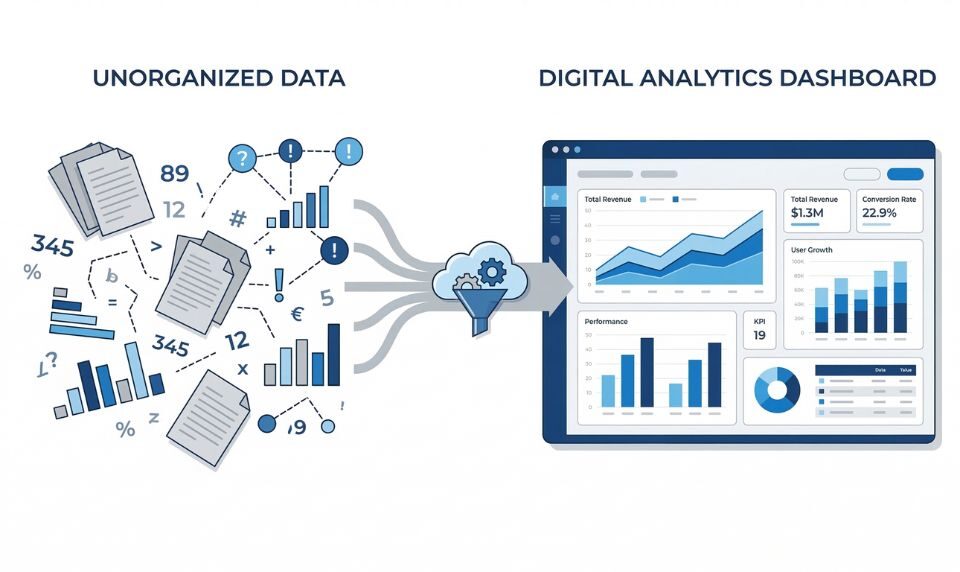
Each phase produces documents, photos, lab results, regulatory filings, and contractor records. A single site can generate hundreds of data points over its reclamation lifecycle. Multiply that across 50 or 200 sites, and the tracking challenge becomes clear.
Missing a deadline in any phase does not just slow things down. It can trigger regulatory penalties, increase liability exposure, and delay reclamation certificate issuance by years. Following well management best practices from the start helps, but without a proper tracking system, even well-managed operations can lose visibility as sites move through reclamation.
Why Spreadsheets Fail for Multi-Site Reclamation Tracking
Most operators start with spreadsheets. It makes sense early on: a simple table with site names, statuses, and a few date columns. But spreadsheets were not designed for this kind of work, and the cracks appear quickly once you scale past a few sites.
No photo or document management. Reclamation tracking requires geotagged photos, lab reports, assessment documents, and regulatory correspondence. Spreadsheets cannot store, organize, or link these files to specific sites and phases. Teams end up with photos scattered across email threads, shared drives, and personal devices.
No automated deadline alerts. Regulatory deadlines in reclamation are not optional. When a remediation report is due or a monitoring assessment needs to happen within a specific growing season, there is no room for someone forgetting to check a spreadsheet column. Spreadsheets do not send reminders.
Version control problems. When multiple team members update the same spreadsheet, conflicts arise. Which version is current? Did someone overwrite the status update from last week? Did the field crew’s changes sync properly? These are not hypothetical problems. They happen constantly.
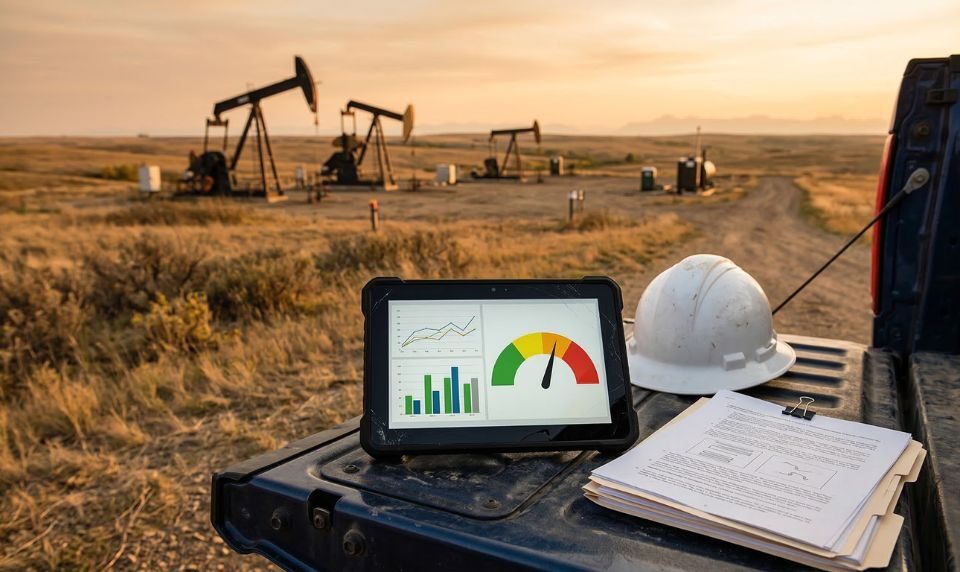
No field access. Field technicians conducting site assessments need to record observations, take photos, and update statuses on-site. Spreadsheets do not offer mobile-friendly interfaces or offline access for remote locations with poor connectivity.
Reporting limitations. When a regulator asks for a status report across all your reclamation sites, or when management needs to understand total outstanding reclamation liability, pulling that data from a spreadsheet requires hours of manual compilation. A proper system should generate these reports in minutes.
No audit trail. Spreadsheets do not track who changed what, when, or why. In a regulatory environment where documentation integrity matters, this is a significant gap.
Must-Have Features in a Reclamation Tracking System
Not all software is built for reclamation tracking. Some platforms offer general project management features and call it a fit. Others are built specifically for environmental and reclamation workflows. Here is what to prioritize when evaluating options. You can also explore our full feature set to see how purpose-built tools handle these requirements.
1. Status Tracking by Phase and Site
The system should let you define reclamation phases (assessment, remediation, revegetation, monitoring, certification) and track each site’s progress through them. You need a clear, at-a-glance view of where every site stands. Dashboard views that show site counts by phase, overdue items, and upcoming milestones are essential for operations managers overseeing large portfolios.
2. Field Data Collection with Photo Records
Field crews need to capture data directly from the site. This means mobile-friendly forms that work in low-connectivity or offline environments. Photo documentation should be geotagged and time-stamped automatically, then linked to the correct site and phase. Manually uploading photos after returning to the office is a workflow that leads to lost records.
3. Regulatory Deadline Management
The system should track regulatory timelines and send alerts before deadlines approach. This includes remediation report due dates, monitoring assessment windows, reclamation certificate application deadlines, and any regulator-imposed conditions or timelines. The ability to set custom deadlines per site is important because not every site follows the same timeline.
4. Multi-Year Timeline Tracking
Reclamation is not a project that wraps up in weeks. Some sites take 5 to 10 years from initial assessment to certificate issuance. Your system needs to handle long time horizons without losing data or context. It should maintain a complete history of activities, decisions, and results for each site across its entire reclamation lifecycle.
5. Reporting and Compliance Documentation
You need to generate reports that satisfy regulators, internal stakeholders, and financial teams. This includes site-level detail reports, portfolio-wide status summaries, compliance status dashboards, and exportable formats that match regulatory submission requirements. The system should also support reclamation cost tracking so you can compare estimated versus actual expenditures.
6. Centralized Document Storage
Every document related to a site’s reclamation (lab results, assessment reports, contractor invoices, regulator correspondence, reclamation certificate applications) should live in one place, linked to the relevant site. No more searching through email, shared drives, or filing cabinets.
Red Flags When Evaluating Reclamation Software
Not every platform that claims to support reclamation tracking actually does it well. Watch for these warning signs during your evaluation.
Generic project management tools rebranded for oil and gas. If the software does not have fields, workflows, and terminology specific to reclamation (phases, DSA criteria, reclamation certificates, remediation tracking), it was not built for this use case. You will spend more time configuring it than using it.
No offline or mobile capability. If the system requires a stable internet connection to function, it will not work at remote well sites across rural Alberta, British Columbia, or Saskatchewan. Field access is not a nice-to-have. It is a requirement.
No photo management built in. If photo documentation requires a separate tool or manual upload process, the system is not complete. Reclamation tracking without integrated photo records creates gaps that regulators will notice.
Pricing tied to per-site or per-user fees that scale unpredictably. Operators managing hundreds of reclamation sites need predictable costs. If the pricing model charges per site, per assessment, or per document stored, costs can escalate quickly as your reclamation portfolio grows.
No Canadian regulatory templates or workflows. A system designed for US operations may not account for AER directives, EPEA requirements, or provincial variations in reclamation standards. Canadian operators need tools that speak the same regulatory language.
No audit trail or change history. If the system does not log who made changes, when, and what was modified, you lose the documentation integrity that regulatory compliance demands.
A Comparison Framework for Evaluating Your Options
Use this framework to score and compare reclamation tracking systems side by side. Rate each criterion on a scale of 1 to 5 based on your evaluation.
Evaluation Criteria | Weight | System A | System B | System C |
Phase-by-phase status tracking | High | _ / 5 | _ / 5 | _ / 5 |
Mobile/offline field data collection | High | _ / 5 | _ / 5 | _ / 5 |
Photo documentation (geotagged, linked to sites) | High | _ / 5 | _ / 5 | _ / 5 |
Regulatory deadline alerts | High | _ / 5 | _ / 5 | _ / 5 |
Multi-year timeline support | High | _ / 5 | _ / 5 | _ / 5 |
Compliance reporting and exports | High | _ / 5 | _ / 5 | _ / 5 |
Document storage and organization | Medium | _ / 5 | _ / 5 | _ / 5 |
Canadian regulatory alignment | High | _ / 5 | _ / 5 | _ / 5 |
Audit trail and change history | Medium | _ / 5 | _ / 5 | _ / 5 |
Ease of setup and onboarding | Medium | _ / 5 | _ / 5 | _ / 5 |
Pricing predictability | Medium | _ / 5 | _ / 5 | _ / 5 |
Integration with existing tools | Low | _ / 5 | _ / 5 | _ / 5 |
Vendor support and training | Medium | _ / 5 | _ / 5 | _ / 5 |
Total Score | _ / 65 | _ / 65 | _ / 65 |
Some platforms may also offer capabilities beyond reclamation, such as municipal management capabilities or broader asset tracking, which can add value if your organization manages diverse infrastructure.
What Canadian Operators Specifically Need
Reclamation requirements in Canada are not identical to those in other jurisdictions. If you are evaluating a system, make sure it accounts for these Canadian-specific considerations.
Provincial Regulatory Alignment
Alberta, British Columbia, and Saskatchewan each have their own reclamation frameworks. Alberta’s process is governed by the AER and EPEA, with specific criteria for Detailed Site Assessments (DSAs) and reclamation certification. BC follows the BC Energy Regulator’s restoration standards. Saskatchewan operates under the Ministry of Energy and Resources.
A system designed for Canadian operators should either support multi-provincial workflows out of the box or be configurable enough to accommodate different provincial requirements within the same platform. If you are managing sites across provinces, this is non-negotiable.
For operators looking at how reclamation fits into the full asset lifecycle, our guide on end-to-end oil well asset management in Canada provides additional context.
Integration with Abandonment Workflows
Reclamation does not exist in isolation. It follows abandonment, and the data generated during abandonment (plugging reports, surface cleanup records, initial site assessments) feeds directly into reclamation planning. Your tracking system should connect these workflows rather than treating them as separate silos. The best systems allow you to carry forward abandonment data into reclamation phases without re-entering information.
Remote Field Access
Canadian well sites are often located in remote areas with limited cellular coverage. Any system you choose must work offline and sync data when connectivity is restored. This applies to form submissions, photo captures, and status updates. If field crews cannot use the system at the actual site, they will default to paper notes and manual entry back at the office, which defeats the purpose of having a system in the first place.
How to Run Your Evaluation
Choosing a reclamation tracking system is not something to rush. Here is a practical approach to running your evaluation.
Step 1: Document your current pain points. Before looking at any software, list what is not working. Are you missing deadlines? Losing photos? Struggling with reporting? Your pain points become your evaluation criteria.
Step 2: Inventory your reclamation portfolio. How many sites are in active reclamation? How many are expected to enter reclamation in the next 3 to 5 years? Which provinces are they in? This determines the scale and configurability you need.
Step 3: Shortlist 2 to 3 options. Use the comparison framework above to narrow your choices. Prioritize systems built for Canadian oil and gas operations over generic project management tools.
Step 4: Request demos with your own data. Do not evaluate software with demo data that does not reflect your reality. Ask vendors to walk through a scenario using your actual site list, phases, and reporting needs. Check out real results from Canadian operators to understand what implementation looks like in practice.
Step 5: Test field usability. Have your field crews test the mobile experience at an actual site. Can they capture data and photos offline? Is the interface intuitive enough that they will actually use it?
Step 6: Confirm pricing and support. Get clear answers on total cost of ownership, including setup, training, ongoing fees, and any per-site or per-user charges. Understand what support looks like after implementation.
Frequently Asked Questions
What is oil and gas site reclamation tracking?
Oil and gas site reclamation tracking is the process of monitoring and documenting every phase of returning a well site to its original or equivalent land condition after operations end. This includes tracking assessments, soil remediation, revegetation, monitoring periods, and final reclamation certificate applications.
Why can’t I use spreadsheets for reclamation tracking?
Spreadsheets lack the ability to handle photo documentation, automated deadline alerts, multi-year timeline tracking across dozens or hundreds of sites, and regulatory reporting. They also create version control issues when multiple people update the same file, leading to missed deadlines and lost data.
What features should reclamation tracking software have?
Key features include phase-by-phase status tracking, field data collection with geotagged photo records, regulatory deadline management with automated alerts, multi-year timeline tracking, compliance reporting, centralized document storage, and mobile or offline access for remote field sites.
How long does oil and gas site reclamation take in Canada?
Reclamation timelines in Canada typically range from 2 to 10 or more years depending on the site’s contamination level, soil conditions, and provincial requirements. Alberta requires a monitoring period after revegetation before a reclamation certificate can be issued, which adds additional years to the process.
Do Canadian provinces have different reclamation requirements?
Yes. Alberta’s reclamation process is governed by the AER and the Environmental Protection and Enhancement Act (EPEA). British Columbia follows BC Energy Regulator restoration standards. Saskatchewan has its own guidelines through the Ministry of Energy and Resources. A good tracking system should accommodate these provincial differences.
How do I evaluate reclamation tracking software for my operation?
Start by listing your active reclamation sites and documenting your current tracking pain points. Then evaluate software options against must-have features like field data collection, deadline alerts, and compliance reporting. Request demos with your own data, check for Canadian regulatory alignment, and confirm the system works offline for remote field sites.
Conclusion
conclusionNext Step
Choosing a system for oil and gas site reclamation tracking is one of the most impactful decisions an operator can make for long-term compliance and cost management. The right system brings visibility to a process that spans years, involves multiple teams, and generates mountains of documentation. The wrong one, or no system at all, creates gaps that regulators will eventually find.
Focus on the fundamentals: phase-based tracking, field data collection, photo documentation, deadline management, and Canadian regulatory alignment. Use the comparison framework in this guide to evaluate your options objectively. And prioritize systems that were built for the realities of Canadian oil and gas operations, not retrofitted from generic project management tools.
Fieldshare is built for exactly this kind of work: multi-year, multi-site tracking with field access, photo documentation, and compliance reporting designed for Canadian operators. Request a demo to see how it handles reclamation tracking for operations like yours, or explore our oil and gas asset management features to learn more.